If you love the idea of less exterior upkeep but still want to own your home, a Longmont townhome may feel like a smart fit. The tradeoff is that HOA living comes with shared costs, shared rules, and a few extra documents to review before you close. If you understand how these communities are set up and what questions to ask, you can move forward with a lot more confidence. Let’s dive in.
How Longmont townhome living works
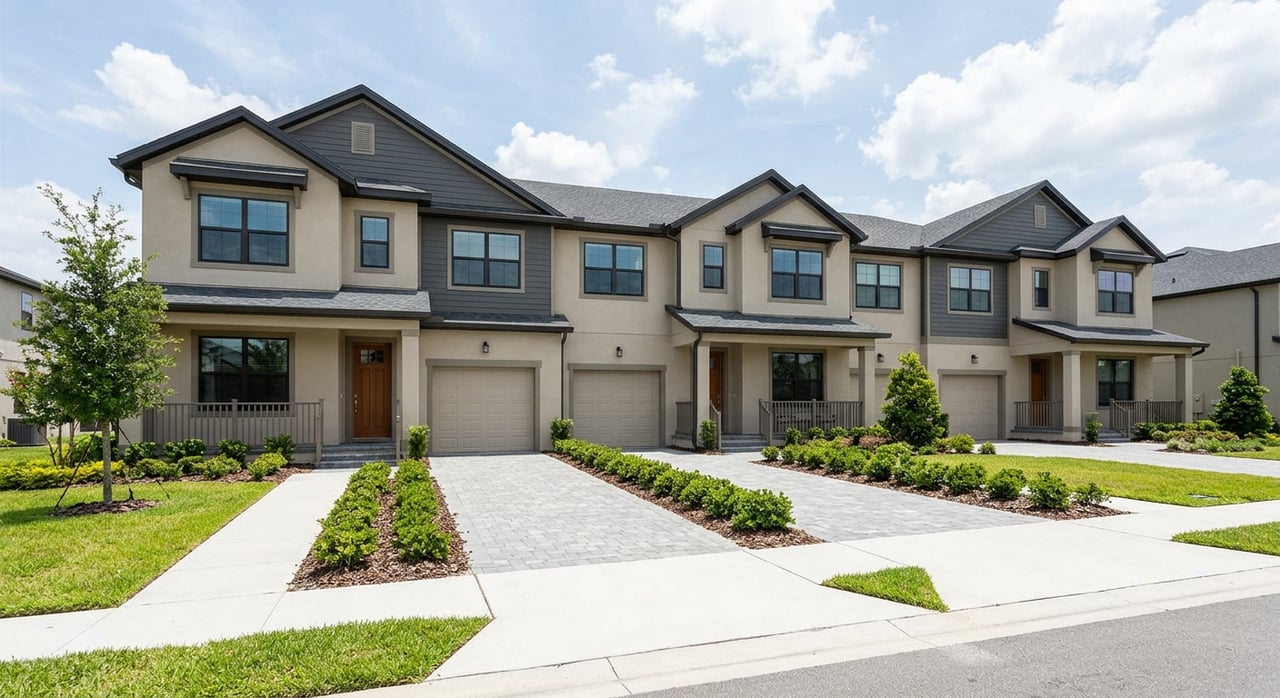
In Longmont, a townhome is generally defined as a multi-family dwelling with five or more attached units arranged side by side, with front and rear access and individual lots. These homes are typically surrounded by common areas owned and maintained by a property owners association. That setup helps explain why HOA living is such a common part of the townhome experience here.
Longmont also allows attached housing types, including townhouses, in mixed-use development areas. In other words, attached-home living is already part of the city’s housing pattern, not an unusual exception. If you are shopping in Longmont, you will likely see townhomes in a range of neighborhood styles and development types.
In Colorado, these communities are generally treated as common interest communities under CCIOA. That means owners usually share responsibility for common real estate and pay assessments through the association. So when you buy a townhome, you are not just buying the unit itself. You are also stepping into a shared ownership and governance structure.
What HOA dues usually cover
One of the biggest questions buyers ask is simple: what am I paying for every month? In Colorado HOAs, regular assessments are commonly billed monthly, quarterly, or annually. Those dues are generally used for operating costs like maintenance, landscaping, legal fees, registration fees, and insurance.
That sounds straightforward, but the details matter. One Longmont townhome community may include more exterior services than another. Another may have a lower monthly fee but fewer services covered.
Here are some of the items buyers should ask about when reviewing dues:
- Common-area maintenance
- Landscaping and irrigation
- Snow removal
- Exterior upkeep
- Association insurance
- Amenities such as clubhouses, pools, roads, sidewalks, or open space
- Reserve funding for future repairs
Colorado guidance also notes that maintenance timing and landscaping decisions are largely board decisions. For townhome owners, that matters because exterior issues are often shared. If you care about how quickly landscaping is handled or how exterior repairs are prioritized, it is worth reviewing recent board activity before closing.
Special assessments can change the math
Regular dues are only part of the financial picture. Some associations also charge special assessments, which are less frequent and usually tied to specific needs such as major repairs, replacement of common elements, new construction, or reserve funding. These can significantly affect your housing costs if you are not prepared.
The declaration should explain how special assessments are authorized and allocated. That is why reading the governing documents is so important. A townhome with affordable monthly dues may still carry future cost risk if the reserves are thin and major repairs are on the horizon.
Insurance and maintenance are not the same thing
A common misunderstanding in HOA communities is assuming the association covers everything on the property. In reality, HOA insurance generally covers common elements and liability. Owners still need their own insurance for private property and for any parts of the unit not covered by the association policy.
That is why one of the best buyer questions is: where does the HOA’s coverage stop and my responsibility begin? You will want a clear answer before closing. This is especially important in townhome communities where the line between shared exterior responsibility and individual ownership is not always obvious at first glance.
Key maintenance questions to ask
If you are comparing a townhome with a detached single-family home, maintenance responsibility is often the deciding factor. Some buyers love handing off exterior chores. Others want more control over repairs and appearance.
Before you make an offer, ask who is responsible for:
- The roof
- Siding
- Exterior paint
- Landscaping
- Snow removal
- Sidewalks or shared drives
- Fences, patios, or limited common elements
Colorado common-interest communities can include common areas such as roads, open space, clubhouses, pools, sidewalks, and tree lawns. That means the answer can vary a lot from one community to another. Never assume two townhome neighborhoods in Longmont work the same way.
Longmont’s waterwise landscape rules matter
Longmont’s local landscape code is also worth noting if you are buying into a newer or redeveloping community. The city says its updated landscape regulations favor drought-tolerant vegetation or native ground cover in landscaped areas. As of January 1, 2026, the city says this applies to new development and redevelopment and is intended to save water for homeowners, HOAs, and businesses.
For you as a buyer, that may shape how common areas look and how landscaping decisions are made over time. It may also influence maintenance priorities and operating costs in some communities. If low-water landscaping is important to you, this is a useful topic to bring up when reviewing an HOA’s common areas and maintenance approach.
Documents to read before closing
In an HOA community, the paperwork is not just a formality. The governing documents are the contract that defines the relationship between you and the association. In most cases, that includes the declaration or CC&Rs, bylaws, and rules and regulations.
Once you are under contract in Colorado, you are entitled to the HOA documents listed in section 7 of the Colorado Contract to Buy and Sell (Residential). Buyers can also obtain the declaration from the county Clerk and Recorder before going under contract. That gives you a chance to do some homework early if a community already has your attention.
As you review documents, pay close attention to:
- What the dues cover
- How assessments can increase
- How special assessments are approved
- Maintenance responsibilities
- Insurance responsibilities
- Use restrictions and rules
- Pet, parking, and exterior modification rules
- Reserve and budget information
This review can feel tedious, but it is one of the best ways to avoid surprises after move-in.
Why meeting minutes and budgets matter
Some of the most useful clues about a community are buried in records that buyers sometimes skip. Colorado requires associations to keep certain records, and owners can request those records under CCIOA. Reviewing board minutes, budgets, and financial documents is a smart part of buyer due diligence.
Minutes may show budget changes, rule changes, ongoing repair issues, or plans for major projects. Budgets can help you see whether reserves appear strong or whether future increases may be more likely. If a roof project, siding repair, or other major expense keeps showing up in recent records, that is something to discuss before you move forward.
Meetings and management tell you a lot
Colorado requires unit owner meetings at least once a year, with notice generally sent 10 to 50 days ahead. Board meetings are open to owners, though CCIOA does not impose a separate notice rule for board meetings unless the governing documents do. That means meeting access exists, but the practical experience can still vary by community.
It is also smart to ask whether the association is professionally managed and who the community association manager is. A well-organized management structure does not guarantee a perfect experience, but it can help you understand who handles communication, maintenance requests, and records. If you want a smoother ownership experience, this question is worth asking early.
Check the HOA’s state registration
Most Colorado HOAs must register and renew annually with the state. According to the Colorado HOA Center, a community that is not properly registered can lose the ability to enforce liens or other enforcement mechanisms until it is validly registered. That makes registration status a practical detail, not just an administrative one.
The HOA Center is also the state consumer resource for HOA questions and registrations. It is helpful for information, but it does not mediate disputes, enforce HOA rules, or provide legal advice. For buyers, the takeaway is simple: use it as a research tool, not as a substitute for careful due diligence.
Longmont context beyond the dues
Longmont has a few local details that help round out the picture. The city encourages HOAs to join the Neighborhood Group Leaders Association, which offers training, newsletters, neighborhood-improvement funding, and community leadership support. It does not replace the HOA’s normal bylaws or functions, but it does show that HOA participation is part of the city’s broader neighborhood framework.
Longmont also says residential developments seeking a development permit must provide 12 percent affordable units, with several compliance options available. That policy affects how some new neighborhoods are planned. While it may not change your day-to-day HOA experience directly, it is part of the larger housing context shaping development across the city.
Is a Longmont townhome right for you?
For many buyers, townhome living is a lifestyle choice as much as a housing choice. You may gain less exterior maintenance and shared amenities, but you also take on shared decision-making, shared expenses, and more upfront document review. That balance can be a great fit if you know what you are signing up for.
The key is not to focus only on the monthly dues. Look at the full picture, including maintenance duties, insurance boundaries, reserve funding, rules, and recent board activity. When you do that, you can compare townhome options in Longmont with a lot more clarity.
If you are weighing a Longmont townhome against a detached home, a careful side-by-side review can save you stress later. The right choice depends on your budget, your maintenance preferences, and how comfortable you are with shared governance. A little homework now can protect both your finances and your peace of mind.
When you want a steady guide to help you ask the right questions and sort through the details, reach out to Michelle Barbour. Let’s make your smart move.
FAQs
What does an HOA usually cover in a Longmont townhome community?
- HOA dues commonly help pay for maintenance, landscaping, legal fees, registration fees, and insurance, but the exact coverage depends on the community’s governing documents.
What documents should you read before buying a Longmont townhome?
- You should review the declaration or CC&Rs, bylaws, rules and regulations, budget information, financial records, and recent board minutes.
What is a special assessment in a Colorado HOA?
- A special assessment is an extra charge that is usually used for major repairs, replacement of common elements, new construction, or reserve funding.
Does HOA insurance cover your whole Longmont townhome?
- No. HOA insurance generally covers common elements and liability, while you still need your own insurance for private property and other parts of the unit not covered by the association.
How can you tell if a Longmont HOA is well managed?
- Ask whether the association is professionally managed, who the manager is, and whether recent meeting minutes show organized communication, budget planning, and repair tracking.
Why do HOA meeting minutes matter when buying in Longmont?
- Meeting minutes can reveal budget changes, rule updates, planned repairs, and other issues that may affect your costs and ownership experience after closing.