A home inspection report can run dozens of pages. That does not mean every line carries the same negotiating weight.
For Boulder buyers in 2026, leverage starts with the contract calendar. It grows when a buyer completes the right specialist checks early, separates major concerns from routine upkeep, and presents a focused proposal while the contract still provides a clear choice.
That distinction matters with Boulder home inspection issues such as radon, private sewer lines, permit gaps, and renovation materials. These concerns can require testing, records research, or specialist input that a standard inspection alone may not settle.
The inspection report supplies evidence. Your deadlines supply leverage.
This guide is educational and does not replace advice from a Colorado-licensed real estate professional, attorney, inspector, engineer, insurance provider, or lender. Your signed contract controls your transaction.
Start with the calendar, not the inspection checklist
Colorado’s standard residential contract does not create an automatic seven-day or ten-day inspection period. The parties enter separate dates for three inspection events in the 2026 Colorado Real Estate Commission contract:
| Contract deadline | What it controls |
|---|---|
| Inspection Termination Deadline | The deadline for delivering written notice that the buyer is terminating because of an unsatisfactory condition, provided an Inspection Objection has not already been delivered |
| Inspection Objection Deadline | The deadline for giving the seller a written description of conditions the buyer requires the seller to correct |
| Inspection Resolution Deadline | The deadline for reaching a written settlement after a timely objection |
Section 10.3 gives a buyer acting in good faith the right to inspect at the buyer’s expense. Its scope reaches beyond the roof and mechanical systems. The provision also covers utilities, communication services, transportation projects, and off-property activity, odors, or noise that could affect the property or its occupants.
In plain English, the initial decision is usually this:
- Leave: Terminate in writing before the Inspection Termination Deadline.
- Stay and negotiate: Deliver an Inspection Objection before that separate deadline.
Missing the applicable date can remove an option that no repair estimate can restore.
The objection changes your contract position
Here is the detail many generic inspection guides miss: delivering an Inspection Objection ends the buyer’s separate right to terminate under the Inspection Termination provision.
The transaction then moves toward the Inspection Resolution Deadline. If the buyer and seller do not reach a written settlement by that deadline, the standard contract says the contract terminates unless the buyer withdraws the objection in writing.
That means an objection should be intentional. It is not an informal list that stays open while everyone keeps talking. The seller is not automatically required to accept a repair request, credit, or price change, either.
The contract also says the property is otherwise conveyed “As Is,” “Where Is,” and “With All Faults.” That language does not erase inspection rights that remain in the contract. Sellers must disclose known adverse material facts in writing. If a seller discovers a new adverse material fact after the contract date, the standard form gives the buyer a termination right on the earlier of closing or five days after receiving the new disclosure.
Schedule Boulder’s slower answers first
A general inspection is a starting point. Some of the most meaningful Boulder findings take more time to confirm, which is why scheduling order matters.
Radon testing needs room on the calendar
Boulder County Public Health recommends testing every home because soil conditions can vary from one building to another, even within the same neighborhood. A nearby home’s result cannot settle the question for the property under contract.
Short-term real estate testing normally takes 2 to 7 days. One accepted method uses a continuous radon monitor for at least 48 hours. Another places two passive devices four inches apart for 48 hours.
The county identifies 4.0 pCi/L as the EPA action level in its sample contingency language. It also says homeowners should consider mitigation for results between 2.0 and 4.0 pCi/L. Test interpretation and mitigation design belong with qualified radon professionals.
Known current or previous radon must be disclosed on the Colorado seller disclosure. An installed mitigation system must also be disclosed because it indicates that radon existed previously.
Negotiation lesson: Order the test early enough to receive the result, ask follow-up questions, and prepare any written response before the correct deadline.
The private sewer line is the owner’s responsibility
A standard inspection generally cannot show the full condition inside a buried sewer service line. A camera scope can identify roots, offsets, low spots, damaged materials, or questionable prior repairs.
The City of Boulder’s sanitary sewer guidance says the property owner is responsible for the service line through its connection to the city-owned main. Work the city performs on a public sewer main does not repair a home’s private service line.
One Boulder County inspection company recommends a scope especially for homes more than 20 years old, homes with mature trees between the structure and street, and properties with disclosed drain-cleaning history. Its list of possible findings includes clay tile, Orangeburg pipe, roots, bellies, offsets, and improper repairs. That is professional guidance rather than a transaction requirement, but it shows why buyers may need more than a visual plumbing check.
Negotiation lesson: A recorded scope and a plumber’s assessment usually communicate more than a broad request to “repair the sewer.” The stronger request identifies the condition, where it appears, and what qualified correction would involve.
Permit records can change what a renovation is worth
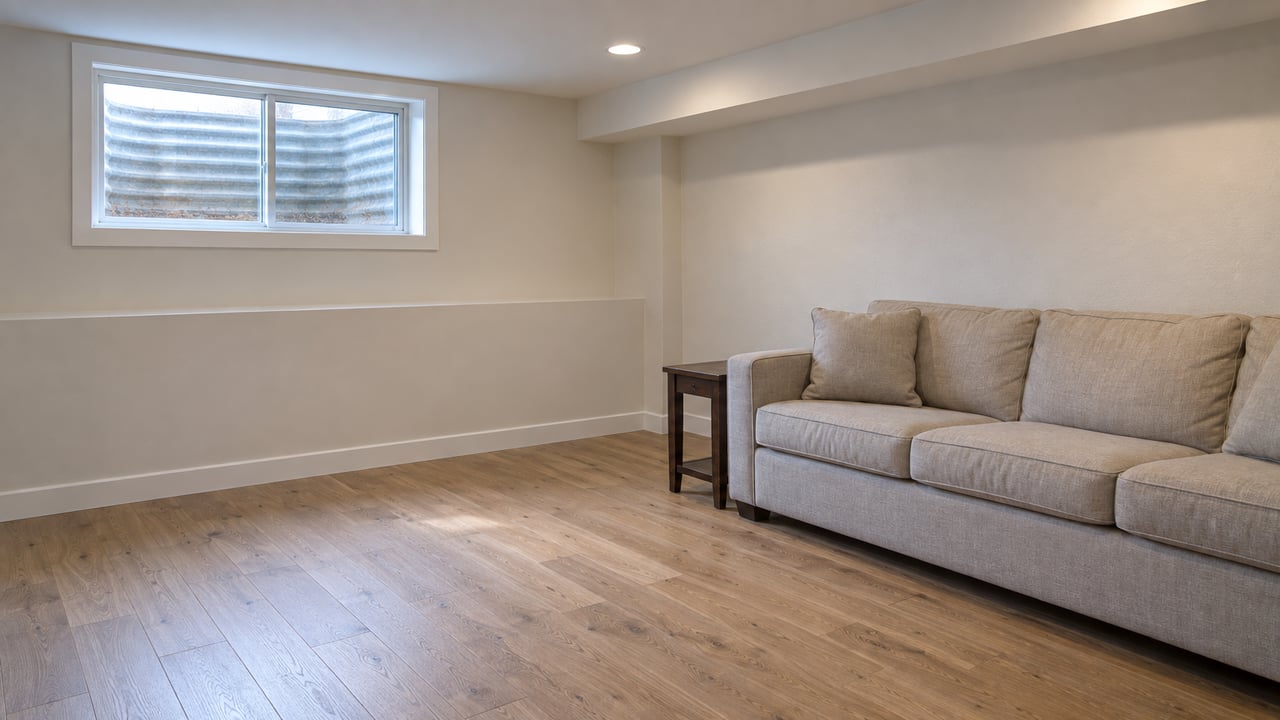
A finished basement or remodeled room may look polished while leaving unanswered questions about permits, inspections, electrical work, plumbing, or structural changes.
The City of Boulder’s permit and inspection resources can help buyers compare the visible property with available records. The city states that structural modifications require plans prepared by a Colorado-licensed structural engineer.
A records gap does not prove that work is unsafe. It does tell the buyer to pause before assigning full value to an alteration. A specialist may need to determine what exists, whether corrective work is needed, and what future permitting could involve.
Renovation plans can raise a second issue. The city says buildings of any age may contain asbestos-containing materials. For residential projects, an asbestos inspection report is required when work will disturb more than 32 square feet of surfaces, 50 linear feet of pipe, or material equal to the volume of a 55-gallon drum.
The presence or possible presence of asbestos does not automatically make a property defective. It can affect the cost and scope of a planned repair or renovation, which may change what a buyer is willing to accept.
The 2026 market gives buyers time, not a blank check
Current Boulder County numbers support more careful due diligence than buyers often had during the most compressed years.
According to June 2026 inventory data published through FRED, the county’s median days on market reached 51. That compares with 44 days in June 2025 and 18 days in June 2021.
Boulder County had 1,418 active listings in June 2026. That was below the 1,526 active listings recorded in June 2025, but far above the 434 available in June 2021. The June 2026 median listing price was $809,251, compared with $844,225 one year earlier. The month also recorded 518 price-reduced listings and 482 pending listings.
Those figures do not mean every seller will accept inspection concessions. They show why leverage is property-specific.
A seller with a new listing and competing offers has different alternatives than a seller whose home has accumulated market time or already received a price reduction. A documented major-system concern also creates a different discussion than a list of paint touch-ups and minor maintenance.
The market supports a more deliberate inspection process. It does not turn the inspection objection into a second attempt to renegotiate the entire purchase price without evidence.
Build an objection around consequences
The strongest inspection strategy is organized, specific, and realistic.
1. Protect every deadline
Confirm the dates in the signed contract and work backward. Schedule services that require multiple days, such as radon testing, before shorter visual checks that can be completed quickly.
2. Sort the findings
A useful review separates the report into four groups:
- Safety and major-system concerns
- Near-term capital items
- Permit or documentation questions
- Ordinary maintenance
This keeps a serious sewer defect from getting buried beside a loose handle or deferred paint.
3. Bring in the right specialist
A general inspector may identify a concern without designing the correction. A plumber, structural engineer, radon professional, or other qualified specialist can clarify the condition and likely scope of work.
4. Choose between termination and objection
Do not send an objection before understanding how that delivery changes the buyer’s termination rights. If the buyer wants to proceed only under certain terms, the written objection should communicate those terms clearly.
5. Put the resolution in writing
Possible solutions can include qualified repair, a seller credit where the loan permits it, a price adjustment, or the buyer’s acceptance of the current condition. Credits may be limited by the lender or loan program, so financing approval should be confirmed before treating a credit as settled.
Keep separate protections on separate tracks
A home condition can affect several parts of the transaction, but Colorado’s contract assigns different deadlines to different protections.
Property insurance has its own termination deadline. Section 10.5 allows a buyer to terminate by that date based on unsatisfactory insurance availability, terms, conditions, or premium. Requesting an insurance quote during the inspection period can reveal a concern while the buyer still has time to review the applicable options.
Homes constructed or permitted before January 1, 1978 have separate lead-based-paint disclosure and assessment provisions. The Lead-Based Paint Termination Deadline is distinct from the general inspection deadlines.
Association documents, appraisal, financing, title, survey or Improvement Location Certificate, due-diligence documents, water rights, and mineral rights also have their own contract sections and dates. A general Inspection Objection should not be treated as a substitute for every other notice.
Rental and septic properties carry extra Boulder steps
Buyers planning to use a City of Boulder property as a long-term rental should verify licensing during due diligence. A rental license does not transfer to the new owner, although SmartRegs compliance remains with the property.
The city says a new rental license is required after ownership changes and approval can take several weeks at minimum. The property must be SmartRegs compliant before the application is submitted. A rental inspection is also required when ownership changes, and that municipal process is separate from the buyer’s pre-purchase inspection.
For Boulder County properties with an onsite wastewater treatment system, Boulder County Public Health requires a Property Transfer Certificate before closing or a conditional transfer agreement for required repairs. The current certificate fee is $500. Processing may take up to ten business days, and the county does not expedite certificates.
These are not last-minute paperwork details. They can affect timing, post-closing obligations, and the terms a buyer is willing to accept.
Frequently asked questions
Can a Boulder buyer terminate over any inspection concern?
Under the standard 2026 contract, a buyer acting in good faith may terminate because of an unsatisfactory condition before the Inspection Termination Deadline, provided the buyer has not already delivered an Inspection Objection. Contract modifications can change rights, so the signed agreement controls.
Does an “as is” sale eliminate the inspection period?
Not automatically. The standard contract contains “As Is” language while separately providing inspection and disclosure rights. Buyers should review any additional terms that modify the standard form.
Should every Boulder home receive a radon test?
Boulder County Public Health recommends testing every home because readings can vary between neighboring properties.
Who pays for the buyer’s inspections?
The standard contract places the expense on the buyer unless the contract or another written agreement provides otherwise. The buyer is also responsible for damage caused by requested inspection work.
Make the contract calendar work for you
Boulder’s 2026 market offers many buyers more time to investigate than they had in 2021, but time becomes leverage only when it is used well. Protect the deadlines. Order slower tests first. Confirm major findings with specialists. Ask for terms tied to real consequences, and document the final agreement clearly.
For a Boulder transaction, consult qualified Colorado professionals who can advise on the specific property and contract. If your next move is in Greater Baton Rouge, Smart Moves with Michelle offers community-rooted guidance backed by the reach and team support of Smart Move Real Estate.
Let’s make your smart move: get a free local market update.