Thinking about making a move to Longmont but unsure what day-to-day life actually feels like? You want a place with mountain views, a relaxed pace, and enough amenities to keep weekends full without big-city hassle. In this guide, you’ll learn how Longmont’s neighborhoods differ, what the local vibe is like, how you’ll spend your free time, and what to expect for commutes and services. Let’s dive in.
Where Longmont fits in Colorado
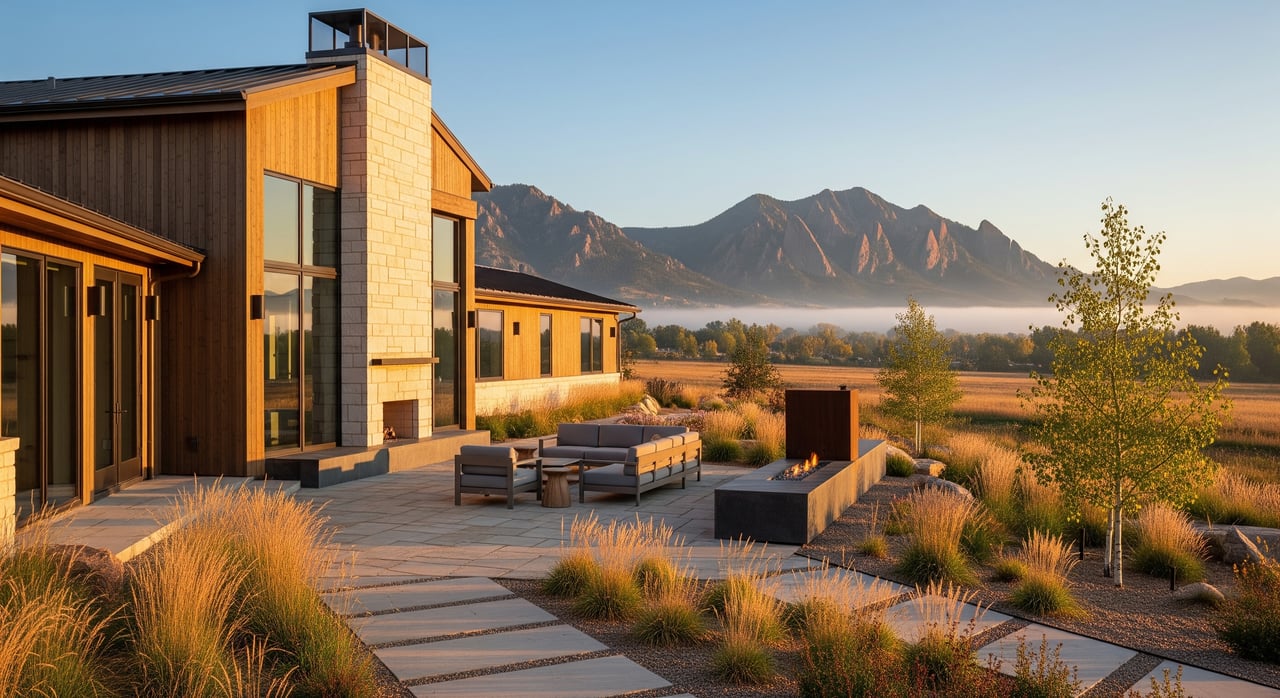
Longmont sits on the northern edge of the Boulder metro area with quick access to the foothills and the rest of the Front Range. It blends a historic downtown core with established neighborhoods and newer subdivisions on the edges. The result is a mid-sized city feel with a strong community identity and easy access to outdoor spaces.
Neighborhoods and housing feel
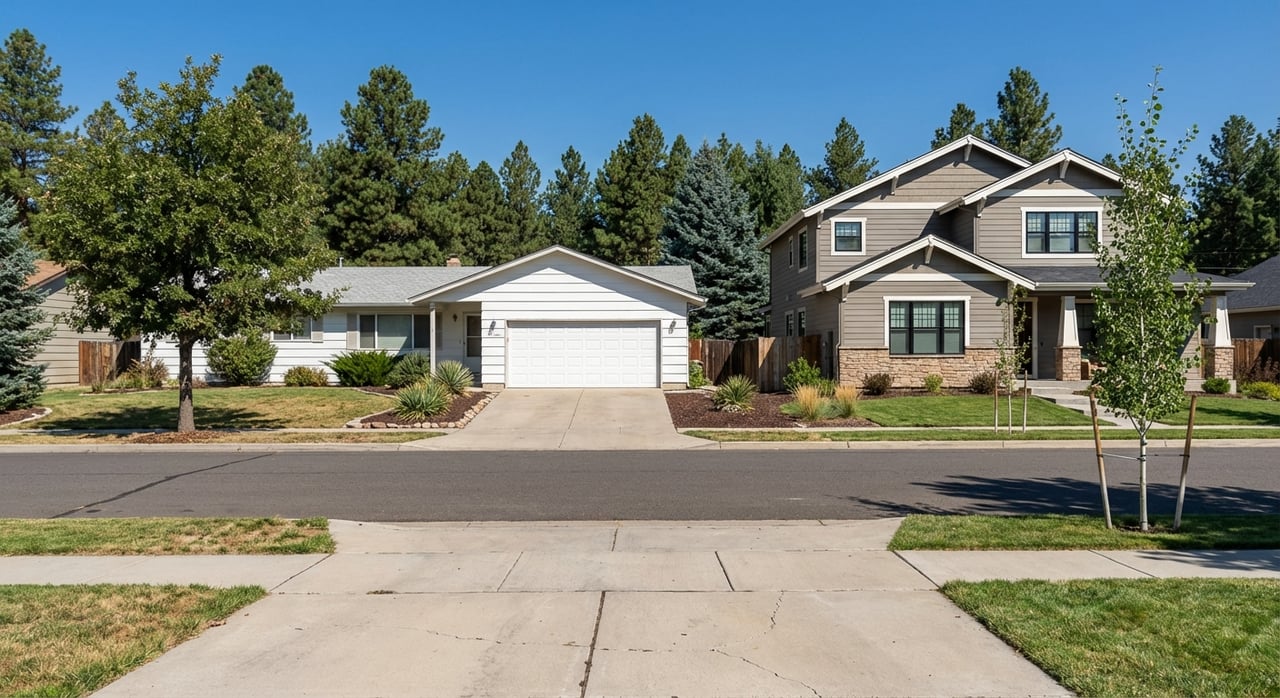
Longmont’s housing is a mix of early 1900s bungalows, mid-century ranches, and modern suburban builds. You’ll find walkable, tree-lined streets near downtown and newer planned communities toward the outskirts. Prices and lot sizes vary by area, and the age of the home often guides maintenance needs and HOA expectations.
Historic core and downtown
Downtown and the blocks around Main Street have older homes, smaller lots, and a walkable setup with coffee shops, restaurants, and arts venues close by. This area includes mixed-use buildings and some multifamily options. If you want character and convenience, this is a natural fit.
Established neighborhoods near downtown
Just beyond the core, you’ll see single-story ranches and bungalows with mature trees. Homes often have charm and personality, and some may need system updates or insulation improvements based on age. Many buyers value the balance of neighborhood feel and proximity to downtown.
Newer subdivisions and edges
On the edges of the city, you’ll find newer single-family homes and townhomes in HOA communities. These areas often have more predictable layouts, neighborhood parks, and newer systems. If you prefer a move-in-ready home with modern floor plans, this is where you’ll likely look.
What to weigh as a buyer
- Older homes may need updates, which can impact your budget and timeline.
- Newer subdivisions can include HOA rules and shared amenities to review.
- Longmont runs municipal electric and broadband, which can affect utility costs and service options.
Daily life: dining, culture, services
Longmont’s daily rhythm feels active but approachable. You’ll have downtown dining, community events, and breweries, with bigger-box shopping corridors around the perimeter.
Downtown scene
Downtown Main Street is the city’s cultural hub. Expect restaurants, coffee shops, small retailers, and a steady lineup of community events. For schedules, check the city and the local tourism group’s upcoming events calendar.
Breweries and nightlife
Longmont has a strong craft-beer presence and a lively but low-key nightlife compared with Boulder or Denver. Weekends bring live music and beer-focused gatherings. Evenings feel social without the intensity of a big-city bar district.
Schools and childcare
Most public K–12 students attend the St. Vrain Valley School District. School boundaries can vary by neighborhood, and the district offers traditional, charter, and program-based options. Always verify current boundaries and enrollment policies directly with the district.
Healthcare and essentials
You’ll find clinics and regional healthcare facilities in Longmont, with specialty care in nearby Boulder and Denver. Grocery stores, services, and larger retail are spread across several corridors, so day-to-day errands are straightforward.
Outdoor life and weekend fun
If you like to be outside, Longmont makes it easy. Trails, reservoirs, and foothill adventures are close enough to fit into even a busy week.
Parks, trails, and the St. Vrain
The St. Vrain Creek and Greenway connect neighborhoods with paved and natural paths for walking, running, and biking. City and county parks offer playgrounds, sports fields, and open spaces. It’s common to see residents out year-round enjoying the sunshine.
Union Reservoir
Union Reservoir sits on the city’s east side and is popular for boating, paddleboarding, fishing, and shoreline walks. You can turn a regular evening into a mini getaway with sunset views and a casual picnic by the water. Seasonal passes and day-use options are typically available through the city.
Day trips to the foothills and RMNP
Trailheads in the foothills are usually within a 20 to 40 minute drive, depending on your destination. For a bigger day, Rocky Mountain National Park is close enough for hiking, wildlife viewing, or scenic drives. Winter brings chances to snowshoe nearby or ski at resorts that are often a one to two hour drive.
Weather and seasons
Expect a semi-arid climate with four seasons, lots of sunny days, and quick temperature swings. Summers are warm with afternoon storms, and winters bring snow that usually melts faster than in the high country. For local conditions and climate context, check the National Weather Service Boulder office.
Getting around and commutes
Many residents work in Boulder, Denver, or along the US-36 and I-25 corridors, so commuting is part of the local routine.
Typical drive times
- Longmont to Boulder is commonly about 15 to 25 minutes, depending on traffic and your starting point.
- Longmont to downtown Denver is often 35 to 60 minutes, with peak periods running longer.
Transit options
Regional buses run between Longmont, Boulder, and Denver through RTD. Park-and-ride locations help if you prefer not to drive every day. Routes and frequencies change, so confirm schedules before you plan a commute.
Roads and congestion
Main corridors like CO-119 and US-287 carry most traffic, and volumes spike during rush hours or weather events. For travel times and road updates, use the Colorado Department of Transportation.
Utilities and local services
Longmont’s municipal approach to utilities and services is a point many residents appreciate.
Municipal power and broadband
The city provides electric service through Longmont Power & Communications and offers municipal broadband in many areas. This local control can shape pricing, programs, and service response times. Explore options with Longmont Power & Communications.
City services, recycling, and safety
Longmont runs local police, fire, public works, and solid waste services. Residents often highlight responsiveness and community engagement. For city programs, classes, and parks, start at the City of Longmont.
Taxes and fees basics
Colorado has a state income tax, plus local sales and property taxes that vary by jurisdiction. For the most current rates, consult official state and county resources when you budget a purchase.
Is Longmont a fit for you? Pros and tradeoffs
Every city has strengths and tradeoffs. Longmont’s pattern is consistent for many buyers considering the northern Front Range.
What residents love
- Strong access to trails, open space, and reservoirs.
- A lively downtown with events, breweries, and local shops.
- Proximity to Boulder’s jobs and culture without Boulder’s typical price premium.
Tradeoffs to consider
- Growth can add traffic, school enrollment pressures, and housing competition.
- Commutes to Denver can be long during peaks, and transit is helpful but not as dense as larger metro cores.
- Price appreciation has tightened entry-level affordability in recent years.
How to get oriented fast
Use this quick-start list to feel at home faster.
- Browse the Visit Longmont events calendar for festivals and weekend plans.
- Plan a museum afternoon at the Longmont Museum & Cultural Center.
- Check programs, classes, and parks through the City of Longmont.
- Confirm school boundaries with the St. Vrain Valley School District.
- Map transit routes via RTD.
- Review road conditions with CDOT.
- Factor utilities and broadband options with Longmont Power & Communications.
Ready to weigh neighborhoods and find your fit in the Front Range? If you want a clear, step-by-step plan for your next move, connect with Michelle Barbour for friendly guidance and a tailored market update.
FAQs
Is Longmont generally more affordable than Boulder?
- Many buyers find Longmont offers relatively more purchasing power than Boulder, though costs vary by neighborhood, home type, and market timing.
How long are typical commutes from Longmont to Boulder and Denver?
- Boulder drives are commonly about 15 to 25 minutes, and downtown Denver often runs 35 to 60 minutes, with peaks extending those times.
Which public school district serves Longmont?
- Most public K–12 students attend the St. Vrain Valley School District, and families should verify current boundaries and programs directly with the district.
What is the outdoor scene like in Longmont?
- You can access city parks, the St. Vrain Greenway, and Union Reservoir for everyday activities, with foothill trailheads and Rocky Mountain National Park close enough for regular day trips.
Does Longmont offer municipal broadband and local electric service?
- Yes, the city provides electric service and municipal broadband in many areas through Longmont Power & Communications.
Are there public transit options from Longmont to Boulder and Denver?
- Regional buses through RTD connect Longmont to Boulder and Denver, with routes and frequencies that change over time, so check schedules before commuting.