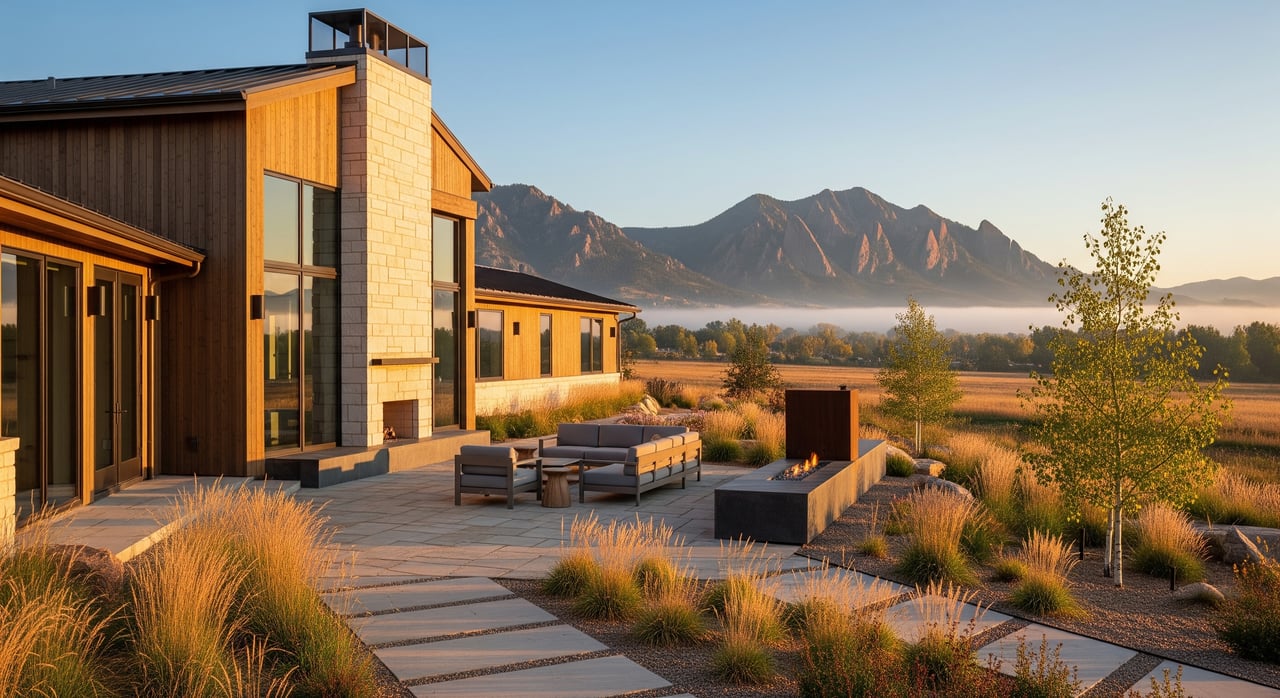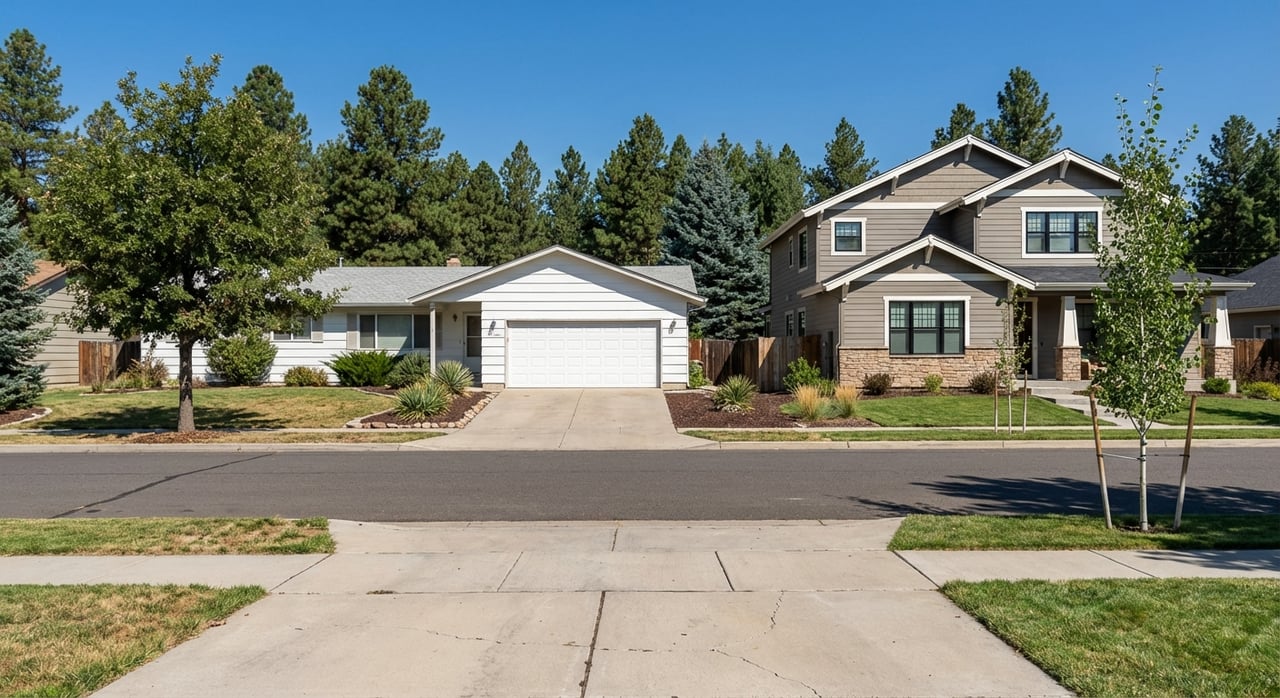
Trying to choose between Longmont and Boulder can feel like picking between two great versions of Colorado living. You want the right mix of value, commute time, schools, and lifestyle without second-guessing your decision. In this guide, you’ll get a clear side-by-side look at both cities so you can match your budget and daily routine to the neighborhood that fits. Let’s dive in.
Longmont vs Boulder at a glance
- Population: Boulder about 106,800; Longmont about 99,800, based on the latest estimates from the U.S. Census. You can explore Boulder and Longmont profiles directly through the Census’ QuickFacts for added context (Boulder QuickFacts, Longmont QuickFacts).
- Home prices: Recent snapshots show Boulder’s median sale price around $901,000 and Longmont around $545,000. Actual prices vary by neighborhood and property type.
- Typical rents: In recent observations, Boulder often ranges around $2,600–$3,000 per month, while Longmont often sits around $1,700–$1,800.
- Commute times: Average one-way commute is about 18 minutes for Boulder and 24 minutes for the Longmont urban area, according to American Community Survey estimates summarized by CensusReporter (Boulder ACS profile).
Housing: what you get for your budget
Boulder is known for premium pricing, especially near the Flatirons, Pearl Street, and close-in neighborhoods. Inventory is limited in many of the most walkable areas, which adds to the competition. Expect a mix of higher-end single-family homes in foothill neighborhoods and a range of condos and duplexes closer to downtown and the university.
Longmont offers more house for the money at most price points. You’ll find newer subdivisions with larger lots, plus established central neighborhoods near downtown. Longmont also includes pockets with higher values, but citywide pricing typically stays well below Boulder.
Boulder: dollars and product mix
- Typical housing types: Single-family homes in foothill and historic areas, plus condos and smaller multi-unit options closer to downtown and campus.
- Where premiums appear: Historic districts and neighborhoods with quick access to trailheads and downtown amenities tend to command higher prices.
- Who it fits: If you want short commutes to jobs in Boulder, walkable dining and culture, and immediate trail access, Boulder matches those priorities.
Longmont: space and value
- Typical housing types: Single-family homes in newer subdivisions and established central neighborhoods, plus some townhomes and condos.
- Price signals: Neighborhoods like Longmont Estates and Southmoor Park commonly fall in the mid-price tiers, with downtown-adjacent areas appealing to buyers who want walkability without Boulder-level pricing.
- Who it fits: If you want more square footage or yard space for your budget and a quieter small-city feel, Longmont is a strong fit.
Commute and getting around
The two cities sit about 15 to 16 miles apart. In light traffic, the drive often runs about 20 to 30 minutes, though peak hours can stretch that. For a quick reference on distance and time, see a simple drive-distance overview between the two cities (Longmont to Boulder drive distance).
Boulder provides robust bus service, including the Flatiron Flyer bus-rapid transit to Denver and a dense local network across the city. You can explore current routes and regional connections through the city’s transportation page (Boulder transit options).
Longmont offers free local buses, regional express links like FLEX and BOLT to Boulder and beyond, and on-demand connections in select areas. For a helpful local overview, visit the city’s downtown transit page (Longmont local and regional bus info). If you prefer two wheels, there’s also a continuous Longmont-to-Boulder Regional Trail for biking (LoBo Regional Trail).
Passenger rail along the Front Range is currently a long-term planning effort. It is not yet available for daily commuting needs (Front Range Passenger Rail overview).
Schools overview
Both cities are served by large public school districts with neighborhood schools and choice options.
- Boulder is primarily served by Boulder Valley School District, which operates about 56 schools for roughly 30,000 students. The district offers neighborhood campuses plus focus and charter programs. Explore policies and school listings on the district’s site (Boulder Valley School District).
- Longmont is served by St. Vrain Valley Schools, a district of about 60 schools and programs supporting roughly 33,000 students. SVVSD also provides focus programs and open-enrollment options across the district (St. Vrain Valley Schools).
If schools are a top priority, confirm assigned campuses and review each district’s program guides and school-finder tools. Policies and boundaries can change, so check the latest updates directly from the districts.
Lifestyle: daily rhythm and weekend fun
Boulder offers a compact, walkable core with dining, arts, and a strong outdoor culture. Many neighborhoods sit close to trailheads and open space, and weekends often revolve around hiking, biking, and local events.
Longmont blends a revitalized historic downtown with a community-forward pace. You’ll find popular local breweries, year-round events, and a practical mix of parks, trails, and neighborhood services that make daily life straightforward and accessible.
Who tends to prefer each city
- Boulder: You value a short commute to CU or local tech and research employers, want walkable dining and cultural options, and expect to be on trails quickly. You’re comfortable paying a premium for location and amenities.
- Longmont: You want more home for your money, a quieter residential feel, and a reasonable commute to Boulder or Denver if you plan to drive. You like the idea of a historic downtown with local events at lower median price points.
A simple decision framework
Use these steps to clarify your fit:
- Budget comfort
- Can you comfortably target Boulder’s recent median around $900,000, or does Longmont’s mid-$500,000 range align better with your monthly goals? Decide your top number first.
- Commute tolerance
- If your primary job is in Boulder and you want a sub-20-minute commute, living in Boulder or in closer pockets may be worth the premium. If you can handle a longer drive, Longmont keeps housing costs lower.
- Schools and programs
- Confirm assigned schools and then explore each district’s choice and focus programs. Use district school-finder tools and program pages to plan ahead (BVSD and SVVSD).
- Lifestyle fit
- Boulder offers walkability, culture, and fast trail access. Longmont emphasizes space, value, and a community-first pace with easy access to local services.
- Future plans
- Consider how upcoming projects or employer shifts could affect your neighborhood choice over time. Keep an eye on city and district updates.
A quick three-question micro-quiz
- What is your max comfortable purchase price and monthly payment?
- What is your ideal one-way commute time, and where is your primary workplace?
- Do you want to prioritize a specific school program or open-enrollment options?
If you can answer those three clearly, you’re already halfway to the right decision.
Neighborhoods to start your tour
These examples give you a feel for product mix and convenience. Always verify current pricing and availability.
In Boulder
- Mapleton Hill and Newlands: Historic, close-in neighborhoods with premium single-family homes and fast access to downtown and foothill trailheads. Prices often run well above Boulder’s city median due to location and character.
- University Hill and nearby areas: Walkable to campus, restaurants, and nightlife, with a higher concentration of condos and smaller units. Good fit if you want energy and proximity to CU.
In Longmont
- Longmont Estates and Southmoor Park: Established subdivisions with mid-price single-family homes and practical access to major routes like CO-119 and US-287.
- Downtown Longmont (historic core): Smaller-lot single-family homes and renovated flats near shops and dining. A solid pick if you want a walkable lifestyle without Boulder-level pricing and easy access to local transit (Longmont transit overview).
Getting around without a car
- Boulder: Dense local bus network and connections to Denver via bus-rapid transit help cut car trips. Explore routing and service info through the city’s transit guide (Boulder transit options).
- Longmont: Free local buses, regional express routes, and on-demand connections support daily errands and commuting. You can also consider RTD’s FlexRide for on-demand service in select zones (RTD FlexRide).
- Biking: The LoBo Regional Trail offers a continuous non-motorized route between Longmont and Boulder for bike commuters and weekend riders (LoBo Regional Trail).
Ready to compare homes?
Whether you’re leaning toward Boulder’s walkability or Longmont’s value, a clear plan makes your move easier. If you want a friendly, step-by-step market update tailored to your budget and timeline, reach out to Michelle Barbour. Let’s make your smart move.
FAQs
What are the current median home prices in Boulder and Longmont?
- Recent snapshots show Boulder around $901,000 and Longmont around $545,000. Medians can change month to month and vary widely by neighborhood and property type.
How long is the commute from Longmont to Boulder?
- The cities are about 15 to 16 miles apart, and in light traffic the drive can be about 20 to 30 minutes. Peak hours can add time, so route and schedule matter (drive distance reference).
How do the school districts compare in size and options?
- Boulder Valley School District serves about 30,000 students across roughly 56 schools with neighborhood, focus, and charter options (BVSD overview). St. Vrain Valley Schools serves about 33,000 students across roughly 60 schools and programs with open-enrollment and focus pathways (SVVSD overview).
Are rents generally lower in Longmont than Boulder?
- Typical asking rents trend lower in Longmont than in Boulder in recent snapshots. Exact rents change frequently by unit type, size, and location.
Is passenger rail available between these cities yet?
- Front Range passenger rail is in long-term planning and not yet available for daily commuting. Keep an eye on regional updates for future progress (project overview).